Understanding What It Really Means to Be Independent
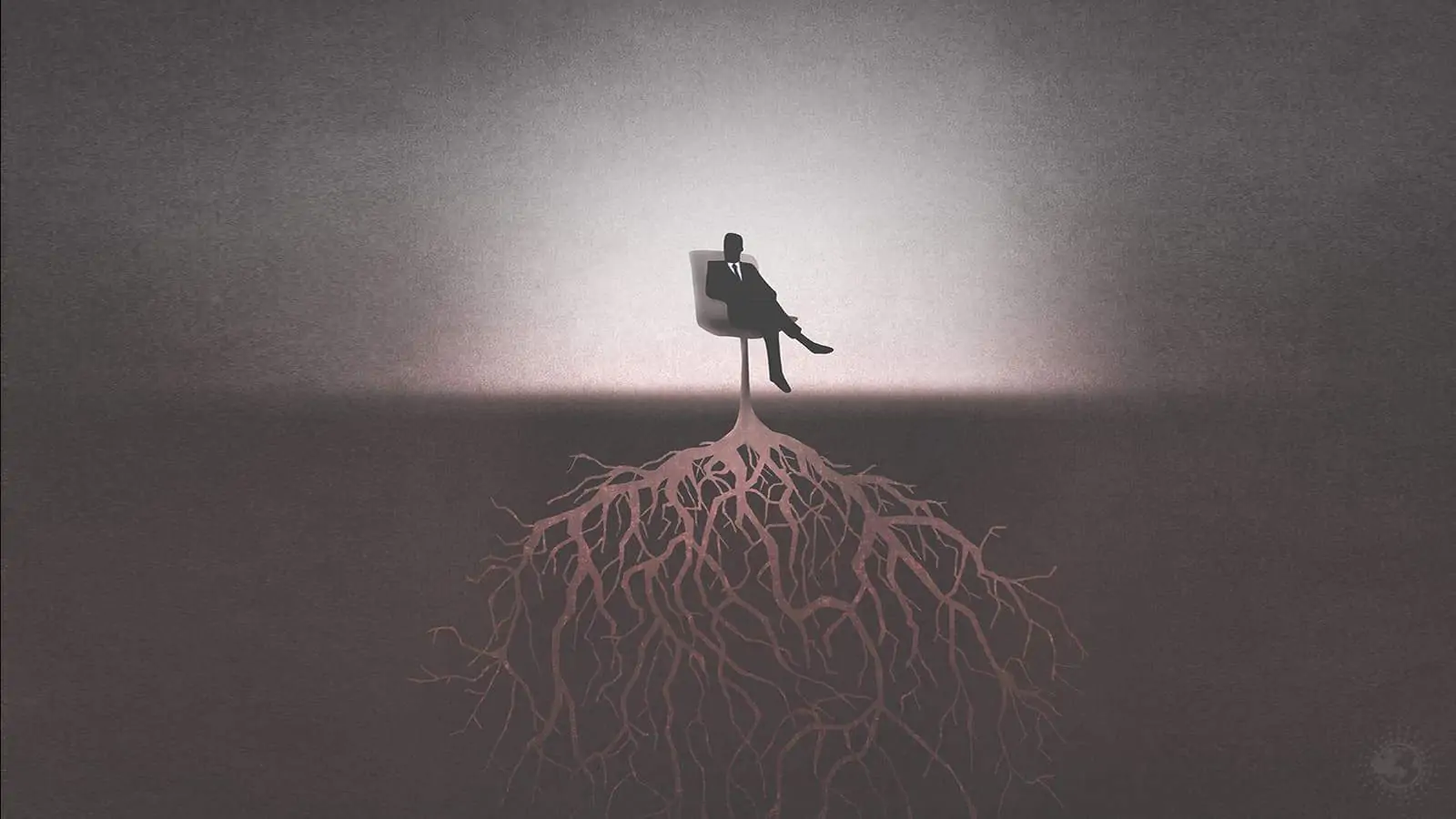
When most people hear the word independent, they instantly think of someone who can do everything by themselves. While that’s part of it, true independence goes much deeper. It’s not just about physical or financial self-sufficiency—it’s about emotional strength, mental clarity, and the ability to make choices without being swayed by outside influences. Being independent means taking ownership of your life, decisions, and the consequences that come with them.
Many people equate independence with isolation, but that’s a common misconception. You can be fully independent while still depending on others for collaboration, friendship, and love. The difference lies in how you depend on them. An independent person chooses to engage and share their life, not because they need validation, but because they value connection.
Ultimately, independence is about empowerment. It’s about knowing who you are and what you stand for—even when everyone around you disagrees. It gives you the freedom to live authentically, to pursue your passions, and to say “no” when something doesn’t align with your values. It’s not an easy journey, but it’s one worth taking.
The Road to Personal Independence
Personal independence doesn’t appear overnight—it’s built through consistent effort, self-awareness, and sometimes even a bit of discomfort. For many, the journey starts when they realize they’ve been relying too heavily on others—whether emotionally, financially, or socially. That realization can be tough, but it’s also a wake-up call to start taking charge of one’s own life.
Developing independence requires confidence and self-trust. You have to believe in your ability to make the right decisions, even when you’re unsure of the outcome. That kind of trust doesn’t come easily—it’s built through experience. Every time you solve a problem on your own or face a challenge without running for help, you strengthen that internal muscle of independence.
Another critical part of becoming independent is setting boundaries. Independent people know when to say “yes” and when to walk away. They understand that maintaining their peace of mind is just as important as achieving their goals. Boundaries protect your time, energy, and emotions—allowing you to stay focused on what truly matters.
Financial Independence: Freedom in Its Truest Form
Financial independence is one of the most empowering forms of independence there is. It’s about being in control of your money instead of letting money control you. When you’re financially independent, you’re not forced to stay in a job you hate, tolerate toxic situations, or rely on others for survival. You have choices—and that’s where true freedom begins.
Achieving financial independence doesn’t necessarily mean being rich. It’s about stability and control. It’s having enough saved or invested so that you can make decisions based on what you want, not what you need to do just to get by. This level of freedom can bring immense peace of mind and confidence in your future.
However, the road to financial independence requires discipline and planning. You have to learn to manage money wisely—budgeting, saving, investing, and avoiding unnecessary debt. It’s not glamorous, but the rewards are life-changing. Once you reach financial independence, you’re free to focus on passions, personal growth, or even helping others achieve the same.
Emotional Independence: The Strength Within
Emotional independence is Independent perhaps the hardest to achieve but also the most rewarding. It means not allowing your emotions to be dictated by others. Instead of relying on external validation or approval, you find confidence and peace within yourself. You stop seeking constant reassurance and start trusting your own judgment.
People who are emotionally independent are often seen as strong and grounded. They don’t crumble under criticism or inflate under praise—they remain steady. That doesn’t mean they’re cold or unfeeling. It means they’re emotionally balanced, capable of handling life’s ups and downs without losing themselves in the process.
To develop emotional independence, one must cultivate self-awareness and mindfulness. You have to learn to recognize your triggers and understand where your emotions come from. This self-understanding allows you to respond thoughtfully instead of reacting impulsively. Over time, you become less affected by others’ opinions and more guided by your own truth.
Independence in Relationships: Balancing Love and Freedom
One of the most misunderstood aspects of independence is how it fits into relationships. Some believe that being independent means keeping a distance or not needing anyone—but that’s far from the truth. Healthy relationships thrive when both people are independent individuals who choose to be together out of love, not dependency.
In an independent relationship, both partners maintain their individuality. They have their own goals, interests, and boundaries, but they also support and uplift each other. There’s no need for control or constant reassurance because both people are secure in who they are. This balance creates a sense of freedom within the relationship, allowing it to grow stronger over time.
When both partners are emotionally and mentally independent, they communicate better and handle conflicts more maturely. They don’t fear being alone, so they don’t cling or compromise their values for the sake of keeping the peace. Independence in relationships isn’t about creating distance—it’s about building a healthy connection that thrives on mutual respect and trust.
The Challenges of Being Independent
Independence, while empowering, isn’t always easy. It comes with its share of loneliness, self-doubt, and responsibility. When you rely on yourself, there’s no one to blame when things go wrong. That can be daunting—but it’s also what builds character. Every mistake becomes a lesson, every failure a stepping stone toward growth.
Another challenge is societal pressure. In a world where people are often encouraged to follow trends or fit into certain molds, being independent can sometimes make you stand out—and not always in a comfortable way. It takes courage to make your own path when everyone else seems to be going in the opposite direction.
Despite the hurdles, the sense of accomplishment that comes from independence is unmatched. You learn resilience, gain confidence, and discover your true potential. The challenges may be tough, but the rewards are worth it—a life where you’re in control of your destiny.
Conclusion: Independence Is a Lifelong Journey
Being independent isn’t a destination—it’s a lifelong process. It evolves as you grow, learn, and experience new things. Whether it’s emotional, financial, or personal independence, each form contributes to a stronger, more confident version of yourself.
Independence gives you the power to shape your life according to your values and dreams. It’s about freedom, self-respect, and courage—the courage to live authentically, even when it’s uncomfortable. True independence doesn’t mean standing alone in silence; it means standing tall with confidence in your own voice.
In the end, independence isn’t just about what you can do alone—it’s about knowing you could do it alone but choosing collaboration and connection on your own terms. That’s the beauty of being independent: freedom with purpose, and strength with grace.