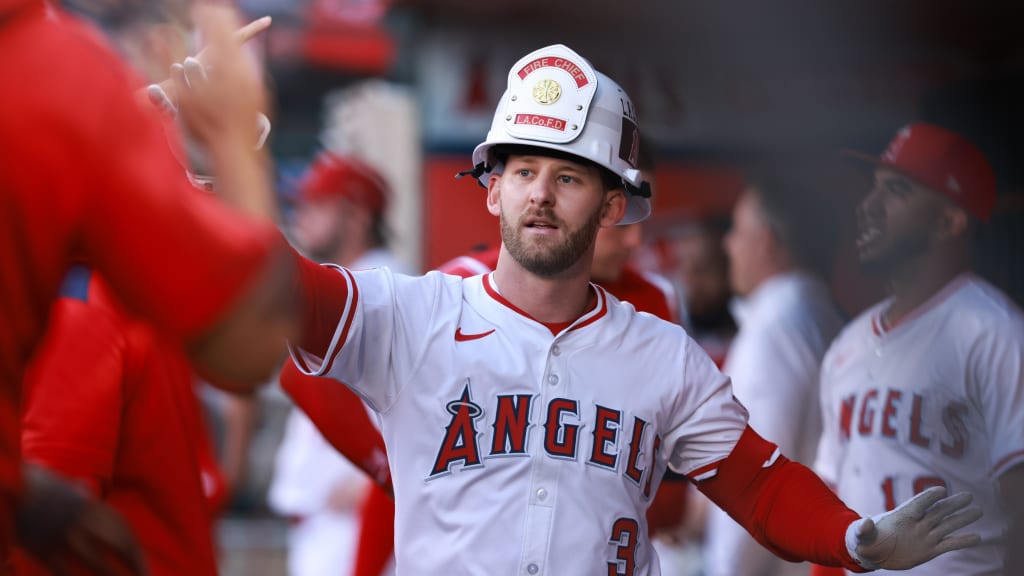
The Los Angeles Angels are one of Major League Baseball’s most exciting franchises, known for their storied history, passionate fanbase, and memorable moments on the field. While the team has experienced its fair share of ups and downs over the years, it remains a staple of Southern California sports culture. From legendary players to unforgettable games, the Angels offer a unique blend of history, talent, and entertainment.
The Origins and Evolution of the Los Angeles Angels
The Los Angeles Angels were established in 1961 as an expansion team in Major League Baseball, bringing professional baseball to Southern California. Initially based in Los Angeles before moving to Anaheim in 1966, the team was created to tap into a growing baseball market and to rival the already established Dodgers. Despite their early struggles, the Angels quickly became a team that fans could rally behind, thanks to their exciting brand of baseball and commitment to growth.
Over the decades, the team underwent several transformations, including changes in ownership, management, and branding. The franchise’s full name has evolved from the “California Angels” to the “Anaheim Angels,” and finally to the Los Angeles Angels, reflecting its broader identity within the sprawling Southern California region. Each iteration of the name symbolizes a different era of the team, with unique challenges and successes shaping its legacy.
The Angels’ evolution isn’t just about branding—it’s about adapting to the ever-changing landscape of Major League Baseball. From the introduction of free agency to the rise of analytics, the Angels have navigated multiple transitions, balancing tradition with modern strategies to stay competitive in one of the toughest leagues in professional sports.
Legendary Players Who Shaped the Team
No discussion of the Los Angeles Angels would be complete without highlighting the players who left an indelible mark on the franchise. One of the most iconic figures is Nolan Ryan, whose legendary pitching career defined the early years of the team. Ryan’s dominance on the mound, including his record-breaking strikeouts, elevated the Angels’ profile and brought national attention to the franchise.
Another key figure is Mike Trout, widely regarded as one of the greatest baseball players of his generation. Trout’s combination of power, speed, and consistency has made him a fan favorite and a symbol of hope for the Angels’ success in recent years. His leadership both on and off the field has helped the team navigate challenging seasons and maintain a competitive edge in the American League West division.
Additionally, players like Vladimir Guerrero, Garret Anderson, and Tim Salmon have left lasting legacies, contributing both statistically and emotionally to the Angels’ history. These players not only delivered impressive performances but also became ambassadors for the team, helping cultivate a loyal and passionate fanbase that continues to grow today.
Memorable Seasons and Milestones
The Los Angeles Angels have had several standout seasons that remain etched in the memories of their fans. The pinnacle of their success came in 2002, when the team captured its first and only World Series title. Under the leadership of manager Mike Scioscia and powered by standout performances from players like Troy Glaus and Garret Anderson, the Angels defeated the San Francisco Giants in a thrilling seven-game series. This championship not only solidified the team’s place in baseball history but also demonstrated that the Angels could compete at the highest level.
Beyond the World Series victory, the Angels have achieved numerous divisional titles and playoff appearances, showcasing their resilience and competitive spirit. While the team has sometimes struggled to maintain consistency, memorable moments such as dramatic walk-offs, no-hitters, and historic performances ensure that fans always have reasons to cheer.
Moreover, milestones such as Nolan Ryan’s 5,000th strikeout, Mike Trout’s multiple MVP seasons, and Vladimir Guerrero’s electrifying career highlight reels are celebrated as key parts of the franchise’s rich history. These moments collectively create a tapestry of achievements that define the identity of the Los Angeles Angels.
Angel Stadium: The Heart of Angels Baseball

A cornerstone of the franchise is Los Angeles Angels, often referred to as “The Big A.” This iconic ballpark has been the home of the Angels since 1966 and is more than just a venue—it’s a cultural landmark for fans across Southern California. Its location in Anaheim makes it accessible to both local fans and tourists, providing a family-friendly environment to enjoy America’s pastime.
Angel Stadium isn’t just a place to watch baseball—it’s an experience. From the vibrant fan atmosphere to the classic stadium architecture, it evokes a sense of nostalgia while offering modern amenities. Over the years, the stadium has undergone renovations to improve seating, concessions, and fan engagement, reflecting the team’s commitment to enhancing the game-day experience.
The stadium also hosts numerous events beyond baseball, including concerts, community activities, and fan festivals. This versatility helps maintain the Angels’ presence in the community and ensures that Angel Stadium remains a hub for both sports and entertainment, creating memories for generations of fans.
The Angels’ Impact on Southern California
The Los Angeles Angels are more than just a baseball team—they are a cultural institution in Southern California. Their presence contributes to the local economy, supports charitable initiatives, and fosters community engagement. The team actively participates in outreach programs, youth sports development, and charitable partnerships, highlighting their commitment to making a positive difference off the field.
Additionally, the Angels play a key role in promoting baseball in a region dominated by multiple professional sports. They offer a unique identity distinct from the Los Angeles Lakers, Clippers, Rams, and Dodgers, giving fans a reason to unite around a shared love for baseball. Their influence extends beyond the stadium, impacting local businesses, tourism, and media coverage, which helps reinforce their importance in the region.
Through decades of highs and lows, the Angels have remained resilient, proving that their significance isn’t measured solely by wins and losses. Their impact on Southern California extends to culture, community, and identity, making them a beloved franchise among sports enthusiasts.
Looking Ahead: The Future of the Los Angeles Angels
The future of the Los Angeles Angels is filled with potential and excitement. With a mix of established stars like Mike Trout and emerging talent, the team is poised to remain competitive in the American League for years to come. Strategic investments in player development, scouting, and analytics indicate that the Angels are committed to building a sustainable contender rather than relying solely on short-term success.
Moreover, the team’s fan engagement strategies, including enhanced digital presence, social media interaction, and community programs, suggest that the Angels are focused on growing their brand both locally and globally. As baseball continues to evolve, the franchise appears ready to adapt while maintaining the traditions that make it special.
While championships may not come every year, the Los Angeles Angels’ combination of talent, history, and fan support ensures that the team will continue to be a significant force in Major League Baseball. The journey ahead promises more memorable moments, legendary performances, and thrilling seasons for fans to enjoy.
Conclusion
The Los Angeles Angels embody the spirit of Major League Baseball: passion, perseverance, and a love for the game. From their origins in the early 1960s to their present-day stars and iconic stadium, the Angels have carved out a unique place in baseball history. Their legendary players, memorable milestones, and community impact make them more than just a team—they are a symbol of Southern California pride.