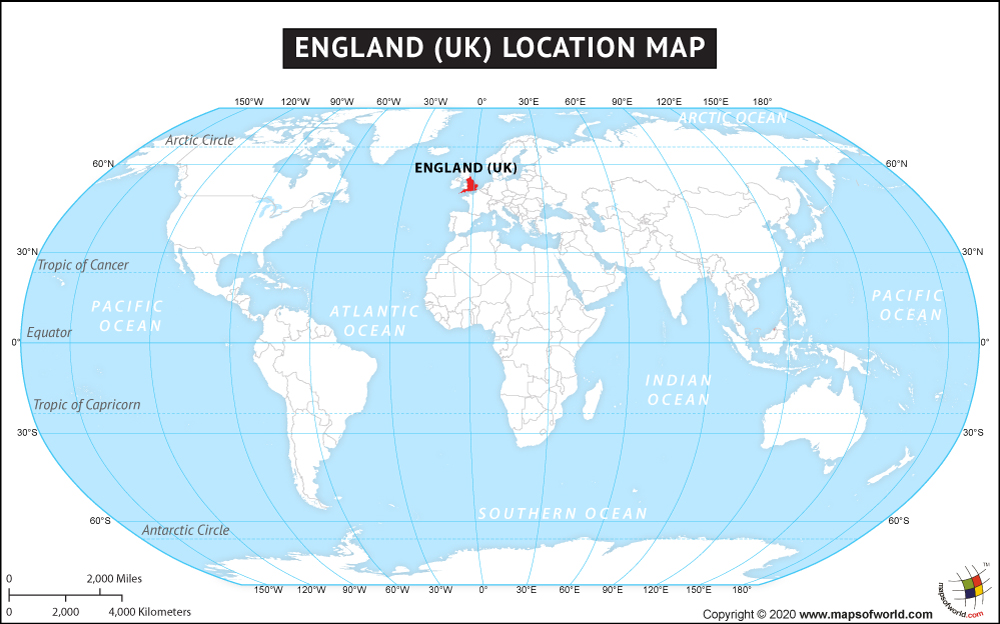
Exploring a map of England is more than just looking at lines, borders, and place names. It’s a journey through centuries of history, diverse landscapes, and cultural richness. Whether you’re a student, traveler, researcher, or just someone curious about England’s layout, understanding its map can make the country feel far more familiar. In this detailed guide, we’ll break down everything from its major regions to its hidden corners—so you can see England with a clearer perspective.
Understanding the Map of England: An Overview of Its Layout
When you first look at a map of England, the country may seem compact, but there’s a surprising variety squeezed into its boundaries. From rugged national parks to bustling cities and quiet coastal villages, England’s geography has a lot to offer. The country is divided into distinct areas that each bring their own flavor, and recognizing these divisions helps you appreciate why England is such a dynamic place.
Most maps will show England as part of the United Kingdom, bordered by Scotland to the north and Wales to the west. What many people don’t realize is that England also has hundreds of miles of stunning coastline, which shapes much of its culture and climate. These coastal areas range from dramatic cliffs to peaceful beaches, and exploring them on a map reveals how much natural beauty is tucked along the edges.
Another key feature you’ll notice is the distribution of cities. England’s cities aren’t spread out evenly. Instead, many are clustered in certain regions like the Midlands, the North West, and the South East. This uneven spread tells the story of England’s industrial past, where factories, ports, and trade routes often decided which places grew into major hubs.
Regions of England: How Maps Divide the Country
A detailed map of England is usually divided into nine official regions. These include the North East, North West, Yorkshire and the Humber, East Midlands, West Midlands, East of England, South East, South West, and London. Each one has its own character, and understanding them helps you grasp how England works geographically and culturally.
Take the North East, for example—it’s one of the smallest regions, but it’s packed with history, coastline, and unique dialects. Maps often highlight its major cities such as Newcastle upon Tyne and Sunderland. Looking further south, the Midlands are often seen as the “heart” of England. They’re home to major transport routes and played a massive role during the Industrial Revolution. When you study a map, you’ll see how central this region is to the entire country’s layout.
Then there’s London, which is almost always shown separately on a map due to its massive size and importance. As the capital, it dominates the South East region geographically, politically, and economically. Detailed maps often break London into boroughs, showing just how complex the city’s structure is. On the other side, the South West stretches along England’s western coastline and stands out on a map due to its long, curved shape that reaches toward the Atlantic.
Historical Insights Hidden Within the Map of England

If you take a moment to view a map of England through a historical lens, you’ll start to notice patterns that connect to stories from centuries ago. Many of England’s oldest cities grew up along rivers such as the Thames, Mersey, and Tyne. These waterways were crucial for early civilizations, and their importance is clear when you observe how towns cluster along them.
The borders of some regions even hint at ancient kingdoms like Wessex, Mercia, and Northumbria. While modern maps don’t show these historical lines, the shapes and boundaries of today often reflect decisions made long ago. For instance, the North East aligns closely with what was once Northumbria, a kingdom that dominated medieval England.
You’ll also notice the weight of Roman influence when studying a map. Roman roads such as Watling Street and Fosse Way still shape modern road networks. In many maps, these routes stand out because they’re unusually straight compared to many twisting English roads. These ancient paths were engineering marvels and laid the foundation for England’s later development.
Urban and Rural Landscapes: What Maps Reveal About Life in England
A map of England clearly shows the contrast between urban and rural areas. Cities like London, Manchester, Birmingham, and Leeds stand out as dense urban centers, full of life, commerce, and industry. On maps, these cities are often highlighted with larger fonts or bolder lines, showing their significance in the country’s structure.
Outside these cities, though, England’s landscape changes dramatically. Maps reveal vast areas of countryside, rolling hills, and farmland. Regions like the Cotswolds, the Lake District, and the Yorkshire Dales are marked by national park boundaries on most maps. These protected areas indicate places of exceptional beauty and limited development, giving you a sense of where England preserves its natural heritage.
Another detail worth noticing is how towns are scattered across rural regions. England’s rural settlements are closely spaced compared to many countries, which reflects its long agricultural history. On a map, you’ll see clusters of small towns connected by narrow roads, giving you insight into how communities have remained linked for centuries.
Coastal Features on the Map of England
If you’re someone who loves coastal scenery, a map of England is truly a treasure. The country has a long and varied coastline that changes dramatically from region to region. In the South, the coastline features well-known beaches, iconic white cliffs, and popular resort towns. Maps often showcase these areas with bold labels because they attract millions of visitors each year.
Looking to the eastern coastline, you’ll see more rugged features like salt marshes, estuaries, and quieter seaside towns. This part of England faces the North Sea and has a unique atmosphere that maps subtly portray through shapes of bays and inlets. It’s an area full of wildlife and tranquil landscapes, and the map gives you hints of this in the contours and shading.
The western coastline is equally fascinating. From Cornwall’s dramatic cliffs to Cumbria’s winding coastline, the variety is immense. Many maps highlight the South West peninsula because of its distinctive shape, jutting out into the ocean. This region’s coastal routes, beaches, and harbors stand out visually on any map, inviting exploration.
Using a Map of England for Travel and Navigation
A map of England is incredibly useful for travelers, whether you’re planning a road trip, an educational tour, or even just exploring digitally. Roads like the M1, M6, and M25 are clearly shown on most maps, helping you understand how people move around the country. These motorways create the backbone of England’s transportation system and are crucial landmarks for planning routes.
Public transportation also plays a big role in England’s travel culture. Train lines form a dense network across the map, especially in regions like the South East and Midlands. These rail routes are often marked with distinctive lines, showing how cities are connected. They’re a reminder of England’s strong reliance on trains both historically and today.
For tourists, maps help highlight key attractions: Stonehenge, the Tower of London, the Lake District, and countless medieval towns. Seeing them on a map offers perspective on how close—or far—they are from one another. It also helps you build realistic itineraries and understand which regions are more travel-friendly for your goals.
Why the Map of England Remains a Fascinating Study
Studying a map of England isn’t just an academic exercise—it’s a way to understand a living, evolving country. Every line, boundary, and marker tells a story. From ancient civilizations to modern infrastructure, the map reflects centuries of change while still preserving echoes of the past.
A map also helps put England’s diversity into perspective. Though the country is relatively small, its landscapes, cultures, and cities are incredibly varied. The contrast between the rugged North, the industrial Midlands, the coastal South West, and the urban South East becomes much clearer when visualized on a map.
Most importantly, a map sparks curiosity. It encourages you to explore new regions, learn about the country’s history, and appreciate the different communities that make England unique. Whether you’re studying it for fun, travel, or research, a map of England is endlessly rewarding.