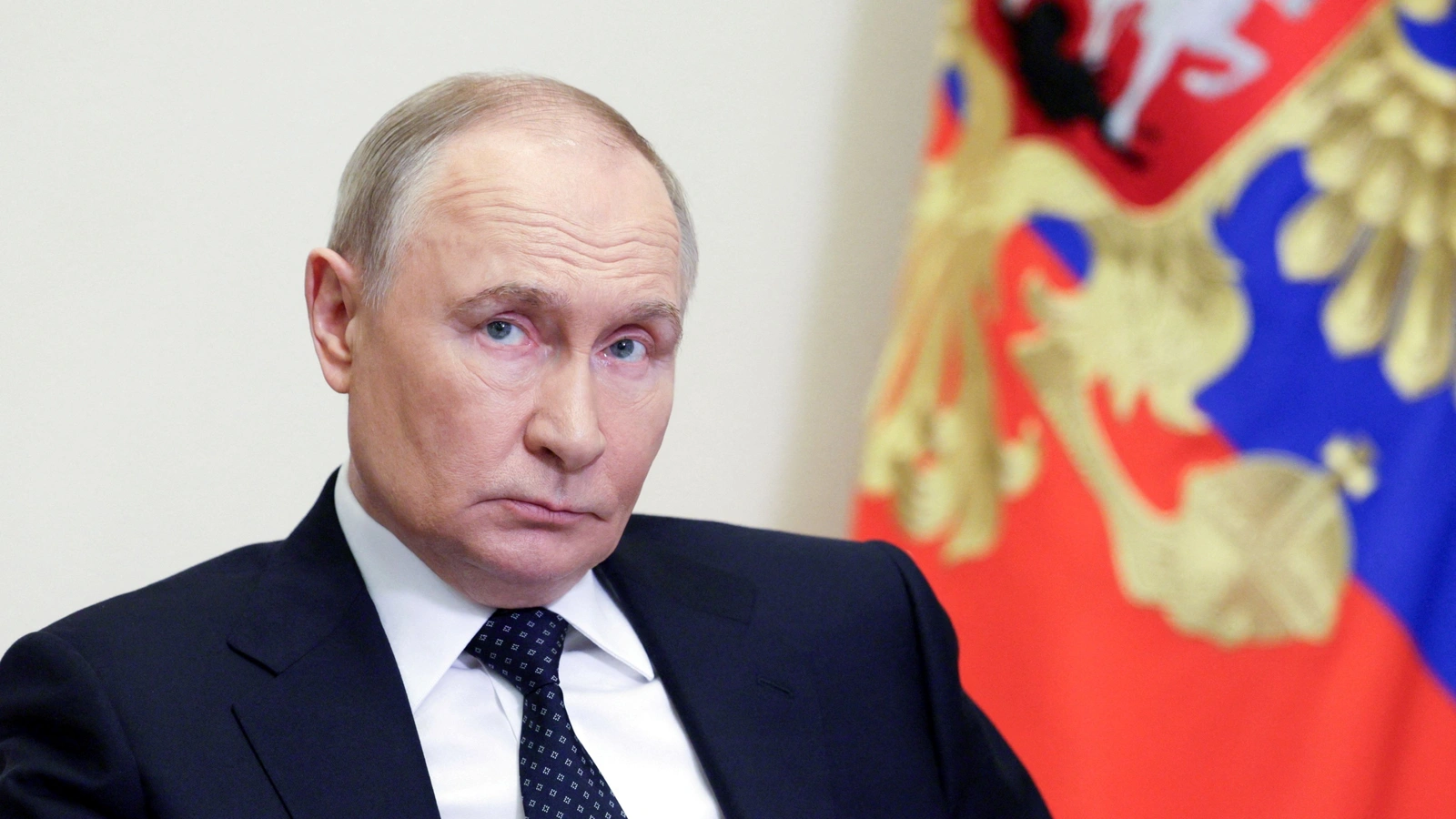
Introduction: Understanding the Enigma of Vladimir Putin
When you hear the name Vladimir Putin, it instantly brings to mind images of political dominance, strategic control, and a leader who has shaped Russia’s modern identity in his own distinct way. Over the past two decades, Putin has become one of the most recognizable figures in global politics — and arguably, one of the most controversial. His rise from a KGB officer to one of the world’s most powerful leaders isn’t just a political journey; it’s a story of ambition, adaptability, and iron-fisted governance.
Putin’s influence stretches far beyond Russia’s borders. Whether it’s his role in shaping foreign policy, his assertive approach toward the West, or his unwavering hold over Russian politics, Putin has managed to remain at the center of global discussions for years. He’s been painted both as a nationalist hero by his supporters and as an authoritarian by his critics — a duality that makes his leadership all the more fascinating.
Understanding Putin requires looking at more than just his political decisions. It’s about examining his mindset, his strategic worldview, and the cultural backdrop that helped him become who he is. Russia under Putin isn’t just a reflection of his policies — it’s a mirror of his personality, his fears, and his vision of what power should look like in the 21st century.
The Early Life and Rise of Vladimir Putin
Born in Leningrad (now Saint Petersburg) in 1952, Vladimir Putin grew up during a time when the Soviet Union was at the height of its global power. His childhood was marked by the challenges of post-war Soviet life — modest living conditions, strict discipline, and a strong emphasis on loyalty to the state. From an early age, Putin showed an interest in order, structure, and control — traits that would later define his political persona.
After studying law at Leningrad State University, Putin joined the KGB, the Soviet Union’s infamous security agency. His time as an intelligence officer gave him a deep understanding of strategy, surveillance, and manipulation — all of which would become central to his leadership style later on. When the Soviet Union collapsed in 1991, Putin was left, like many others, facing an uncertain future. But rather than fading into obscurity, he found new opportunities in the chaotic political landscape that followed.
Putin’s real political ascent began in the 1990s when he joined the administration of Saint Petersburg’s reformist mayor, Anatoly Sobchak. His loyalty and efficiency caught the attention of Moscow’s political elites, and by 1999, he was appointed as Russia’s Prime Minister under President Boris Yeltsin. That same year, Yeltsin unexpectedly resigned, naming Putin as Acting President — a move that would permanently change Russia’s political direction.
Putin’s Leadership Style: The Art of Controlled Power
What truly sets Vladimir Putin apart from other leaders is his mastery of controlled power. From the moment he took office in 2000, Putin made it clear that he was determined to restore stability and authority after a turbulent decade of post-Soviet chaos. His leadership style can best be described as centralized, calculated, and strategically firm.
One of his first priorities was to reassert control over Russia’s vast regions and rein in the country’s oligarchs — the billionaires who had amassed enormous wealth and influence during the 1990s. Through a mix of legal pressure, state power, and political maneuvering, Putin weakened their independence and strengthened the Kremlin’s authority. In doing so, he positioned himself as the ultimate arbiter of power in Russia.
Putin’s communication strategy has also been remarkably effective. He projects an image of strength, masculinity, and resilience — whether riding a horse shirtless in Siberia or diving into icy waters for religious rituals. These public displays aren’t random; they’re carefully curated symbols meant to reinforce the idea that Putin is a leader of iron will and traditional values. In Russia, where strength and stability are deeply admired, this image resonates with millions.
Putin and the West: A Relationship of Rivalry and Realpolitik
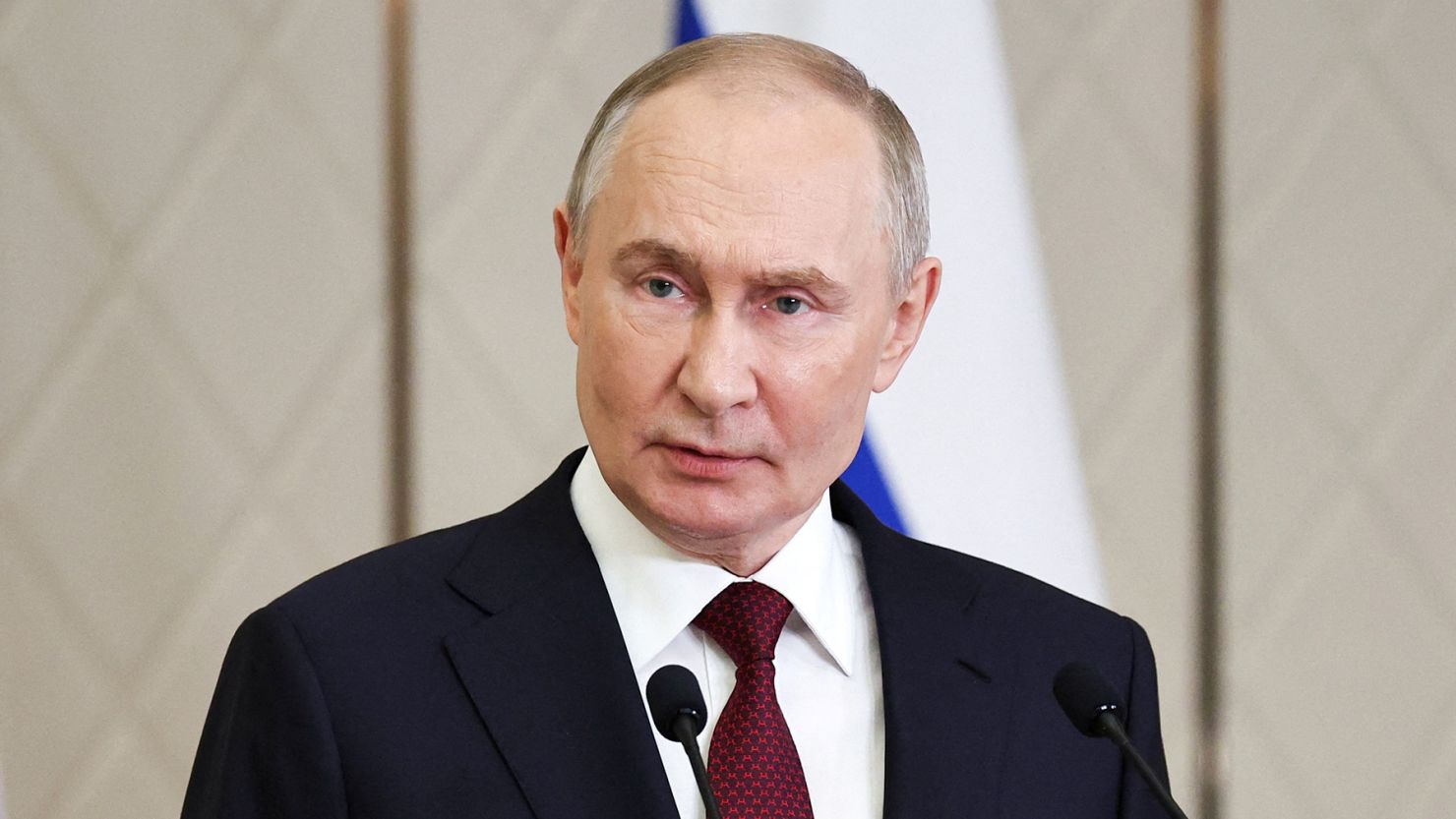
Few relationships in modern Putin geopolitics are as complex as the one between Vladimir Putin and the West. Initially, in the early 2000s, Putin appeared open to cooperation with Western nations, especially in areas like counterterrorism and trade. However, as time passed, tensions began to rise — largely due to NATO expansion, Western criticism of Russia’s domestic policies, and conflicting visions of global order.
The 2008 war in Georgia, the 2014 annexation of Crimea, and Russia’s involvement in Syria are just a few examples of how Putin’s foreign policy has challenged Western influence. Each of these moves demonstrated a willingness to defy global norms in pursuit of what he sees as Russia’s rightful place as a great power. To Putin, Western institutions like NATO and the European Union represent not partnerships, but potential threats to Russia’s sovereignty and security.
The ongoing conflict in Ukraine further deepened the divide between Russia and the West. While Western leaders condemned Putin’s actions and imposed economic sanctions, Putin framed his decisions as a necessary defense of Russian interests and identity. His approach reflects a worldview rooted in realpolitik — a belief that nations act based on power and pragmatism, not moral ideals. Whether one agrees with him or not, Putin’s foreign policy has undeniably reshaped global geopolitics.
Domestic Politics: Maintaining Power at Home
Inside Russia, Putin’s grip on power is nearly absolute. Over the years, he has built a political system that blends elements of democracy with strong authoritarian control — a model often referred to as managed democracy. Elections are held, but they occur in a political environment where opposition is limited, media is tightly controlled, and dissent is closely monitored.
A major part of Putin’s success lies in his ability to maintain a sense of national pride among Russians. He consistently promotes themes of patriotism, cultural heritage, and historical strength. Many citizens see him as the man who saved Russia from the instability of the 1990s and restored its international standing. This image of a protector has helped him sustain remarkably high approval ratings, even during economic downturns or political scandals.
However, critics argue that this stability comes at the cost of freedom. Independent journalism, political activism, and open dissent have faced increasing restrictions under his leadership. For Putin, political control is synonymous with national security — and he has repeatedly shown that he values order over liberal democracy. This belief has created a political climate where stability is prized, but personal freedoms remain limited.
The Legacy and Future of Putin’s Rule
As of today, Vladimir Putin remains at the helm of Russian politics, and his influence shows no sign of waning. Constitutional changes passed in recent years allow him to potentially remain in power until 2036 — making him one of the longest-serving leaders in modern history. Whether he chooses to stay that long or not, his impact on Russia is already profound and enduring.
Putin’s legacy will likely be defined by both his successes and controversies. On one hand, he stabilized Russia’s economy, restored its global presence, and revived a sense of national pride. On the other hand, his rule has been marked by corruption allegations, suppression of dissent, and strained relations with much of the world. His leadership is both a case study in political mastery and a cautionary tale about the costs of centralized power.
Looking ahead, one of the biggest questions is what happens to Russia after Putin. He has built a system so reliant on his personal authority that a transition of power could bring uncertainty. Whether his successor continues his policies or takes a new direction, Putin’s shadow will loom large over Russia’s future for decades to come.
Conclusion: The Man Who Redefined Russian Power
Vladimir Putin is not just a politician; he is a symbol — of strength, control, and the complexities of modern Russia. Love him or hate him, his ability to dominate both domestic and international arenas for so long is a testament to his political skill and strategic mind. He’s a leader who thrives on unpredictability, uses perception as a weapon, and understands the psychology of power better than most.
Putin’s story is far from over. As global politics continue to evolve, his actions will keep influencing not only Russia’s path but the balance of world power itself. Whether history remembers him as a visionary or a tyrant will depend on who’s telling the story — but one thing is certain: Vladimir Putin has already secured his place as one of the most consequential leaders of our time.