Kalanchoe tomentosa, commonly known as the Panda Plant, is a succulent that has captured the hearts of plant lovers worldwide. With its soft, fuzzy leaves and attractive brown-tipped edges, this small yet striking plant is perfect for indoor décor, beginner gardeners, and succulent enthusiasts alike. Beyond its aesthetic appeal, Kalanchoe tomentosa is easy to care for, resilient, and adds a touch of greenery to any space. In this article, we’ll explore everything you need to know about this adorable succulent—from its origins and care requirements to propagation tips and common problems.
Origins and Characteristics of Kalanchoe Tomentosa
Kalanchoe tomentosa hails from the arid regions of Madagascar, where it thrives in dry, rocky landscapes. Its name “tomentosa” refers to the fine, velvety hairs that cover its leaves, giving it a soft, fuzzy texture that makes it highly appealing as a houseplant. These hairs also serve a functional purpose in its native environment, helping the plant retain moisture and protect itself from intense sunlight.
The Panda Plant typically grows in compact rosettes, reaching about 12 to 18 inches in height, making it perfect for windowsills, desks, or small indoor planters. Its leaves are elongated, pale green, and covered with tiny hairs, ending with distinctive brown or reddish tips. During the flowering season, Kalanchoe tomentosa produces small, tubular flowers, usually in shades of red or orange, though flowering indoors is rare.
One of the most attractive features of Kalanchoe tomentosa is its low-maintenance charm. It’s a succulent that doesn’t demand constant attention or watering, making it ideal for both beginners and experienced gardeners seeking a visually pleasing plant without the fuss. Its unusual texture and vibrant tips bring a touch of character to any collection of houseplants.
Ideal Growing Conditions for Kalanchoe Tomentosa
Creating the perfect environment for your Panda Plant is key to maintaining its health and beauty. Light is one of the most critical factors. Kalanchoe tomentosa thrives in bright, indirect sunlight, though it can tolerate some direct light. Placing it near a south-facing window ensures it receives enough light without scorching its delicate leaves. Insufficient light can result in stretched-out growth and dull coloration, so aim for at least 4-6 hours of light daily.
Temperature and humidity also play a significant role. This succulent prefers warm temperatures between 60°F and 85°F (15°C–29°C). It does not tolerate frost well, so it should be kept indoors in colder climates. Kalanchoe tomentosa is naturally adapted to arid conditions, so it thrives in low humidity environments, making it an excellent candidate for indoor spaces where air tends to be dry.
Soil requirements are straightforward but important. Use a well-draining succulent or cactus mix to prevent root rot. You can also add sand or perlite to regular potting soil to improve drainage. A pot with a drainage hole is essential to prevent water from pooling at the bottom, which can quickly lead to root decay. By providing the right light, temperature, and soil, your Kalanchoe tomentosa will flourish and maintain its signature plump, fuzzy leaves.
Watering and Fertilization Tips
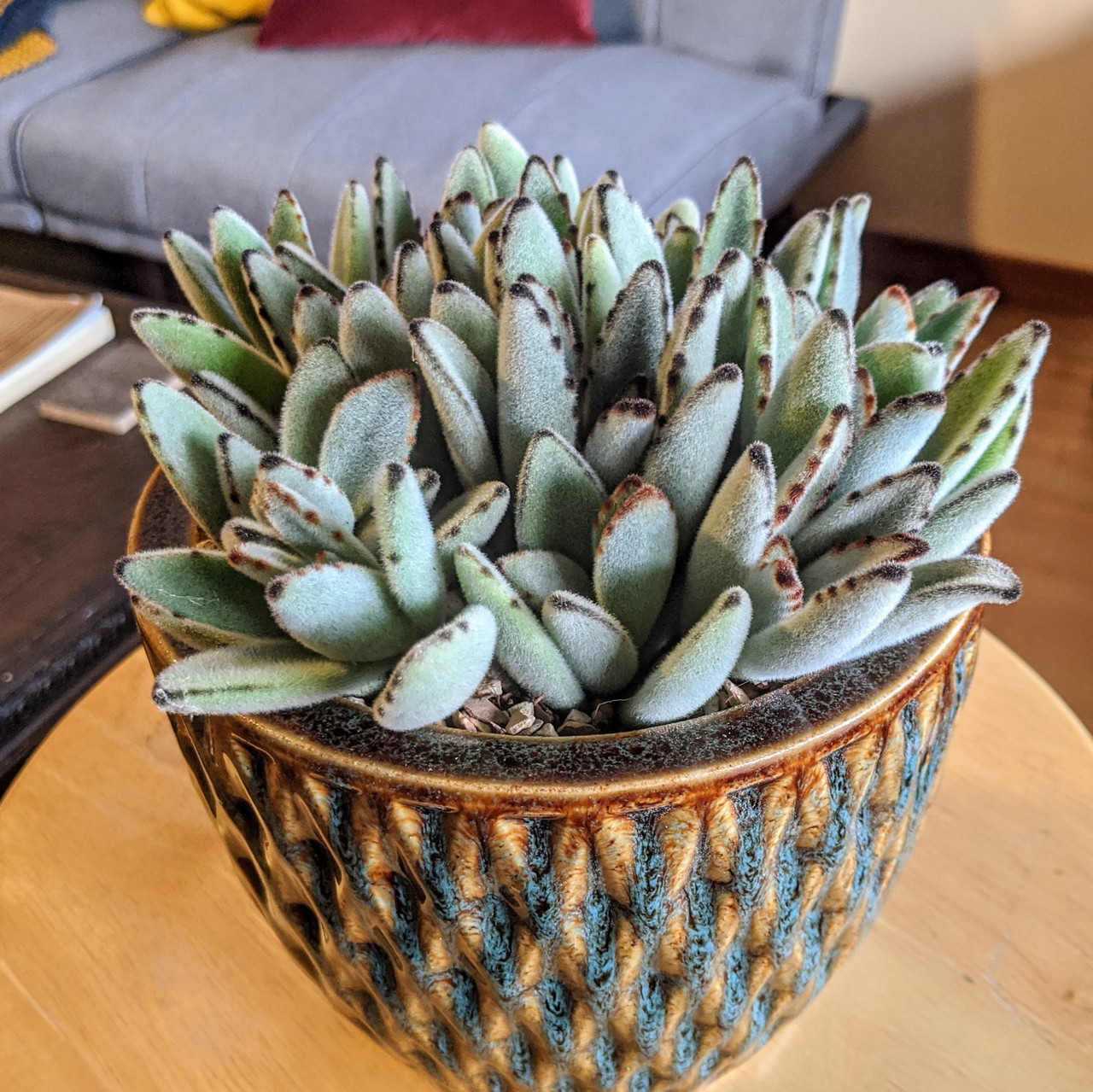
One of the reasons Kalanchoe Tomentosa is so popular is its low watering needs. Overwatering is the most common cause of problems, so it’s crucial to allow the soil to dry completely between waterings. During the growing season (spring and summer), watering once every 2-3 weeks is typically sufficient. In the dormant winter months, reduce watering even further, sometimes to once a month, depending on indoor humidity levels.
When watering, aim for thorough but infrequent soaking, ensuring that excess water drains out completely. Avoid letting water sit on the fuzzy leaves, as this can promote mold or fungal growth. The Panda Plant’s natural adaptations allow it to store water in its leaves, making occasional neglect far less damaging than overcare.
Fertilization is optional but can enhance growth and leaf color. A balanced, diluted succulent fertilizer applied once a month during the growing season can keep your Kalanchoe tomentosa thriving. Avoid fertilizing during the winter months, as the plant’s growth slows naturally. With proper watering and occasional feeding, this succulent will remain healthy, vibrant, and a standout in any indoor garden.
Propagation Methods
Propagating Kalanchoe tomentosa is surprisingly easy, making it an exciting plant for beginners. The most common method is leaf or stem cuttings. Start by selecting a healthy leaf or stem and gently twist it off or cut it with a sterilized knife. Allow the cutting to callous over for a few days to prevent rot. Once the cut end has dried, place it on well-draining soil and wait for roots to develop.
Rooting usually takes 2-4 weeks, depending on temperature and humidity. During this time, keep the soil lightly moist but not soggy. Once the new plant establishes roots, you can gradually increase sunlight exposure to encourage robust growth. Kalanchoe tomentosa can also propagate from offsets or pups, which sometimes appear at the base of mature plants. These can be carefully separated and potted individually to expand your collection.
Propagation not only multiplies your plant collection but also provides a fun way to experiment and observe the growth process. Watching a fuzzy little cutting transform into a full Panda Plant is incredibly rewarding for any plant enthusiast.
Common Problems and How to Avoid Them
Despite being resilient, Kalanchoe tomentosa can face some common challenges. Overwatering is the leading culprit, often causing root rot or leaf drop. To prevent this, always check that the soil has dried out completely before watering again. Wilting or yellowing leaves may indicate too much moisture.
Pests are less frequent but can occasionally include mealybugs or spider mites. Regularly inspect your plant and use insecticidal soap or rubbing alcohol on affected areas if needed. Another potential issue is leggy growth, which occurs when the plant isn’t receiving enough light. Moving the plant to a brighter spot or supplementing with a grow light can help it maintain its compact, rosette shape.
Finally, extreme cold or drafts can harm Kalanchoe tomentosa. Avoid placing it near air conditioners, heaters, or drafty windows in winter. With a little attention to watering, light, and temperature, your Panda Plant will remain a stunning and low-maintenance addition to your indoor garden for years to come.
Decorating with Kalanchoe Tomentosa
Beyond its care and propagation, Kalanchoe tomentosa shines as a decorative houseplant. Its soft texture and muted green leaves with brown tips add contrast to other plants with smoother foliage. Placing it on shelves, desks, or windowsills brings a cozy, natural vibe to your space.
Its small size allows for creative arrangements, including terrariums, succulent gardens, or even mixed indoor planters. Combine it with other succulents like Echeveria, Haworthia, or Sedum for visually appealing textures and colors. Additionally, its fuzzy leaves make it child- and pet-friendly in terms of tactile experience, though it’s best to prevent ingestion due to mild toxicity.
With thoughtful placement and pairing, Kalanchoe tomentosa can elevate any interior décor, offering both visual appeal and the soothing presence of greenery. Its charm lies not only in its appearance but also in the sense of care and attention it inspires from those who tend it.
Conclusion
Kalanchoe tomentosa, the Panda Plant, is much more than just a cute succulent. It is a low-maintenance, visually striking, and versatile indoor plant that brings life and texture to any space. From its origins in Madagascar to its modern role as a beloved houseplant, it combines resilience with aesthetic charm. Proper light, soil, watering, and occasional fertilization ensure a healthy, thriving plant. Meanwhile, propagation offers an enjoyable challenge for plant lovers, while careful attention to common issues keeps it flourishing.